Predictive Maintenance
Implementing I-SENSE: A Step-by-Step Guide to Transforming Maintenance Practices
.jpg)
Implementing I-SENSE: A Step-by-Step Guide to Transforming Maintenance Practices
The I-SENSE platform offers a comprehensive solution for predictive and condition-based maintenance, leveraging AI and IoT technologies to enhance asset reliability and operational efficiency. This guide provides a structured approach to integrating I-SENSE into your maintenance strategy.
Begin by establishing specific goals for your maintenance program. These objectives should align with your organization's broader operational targets, such as reducing downtime, extending asset lifespan, and optimizing maintenance costs. Key Performance Indicators (KPIs) like Mean Time Between Failures (MTBF), Mean Time To Repair (MTTR), and Overall Equipment Effectiveness (OEE) can help measure progress toward these goals. Factory AI
Form a team comprising members from various departments, including maintenance, IT, operations, and data analytics. This diverse team will ensure that all aspects of the I-SENSE implementation are considered, from technical integration to user adoption. Assign a project manager to oversee the implementation process and maintain alignment with organizational objectives. Sensemore
Create a comprehensive list of all assets within your facility. Assess each asset's criticality to operations and prioritize them for monitoring based on factors such as failure impact, maintenance history, and operational importance. This prioritization will guide the deployment of I-SENSE sensors and monitoring tools. ToolSense
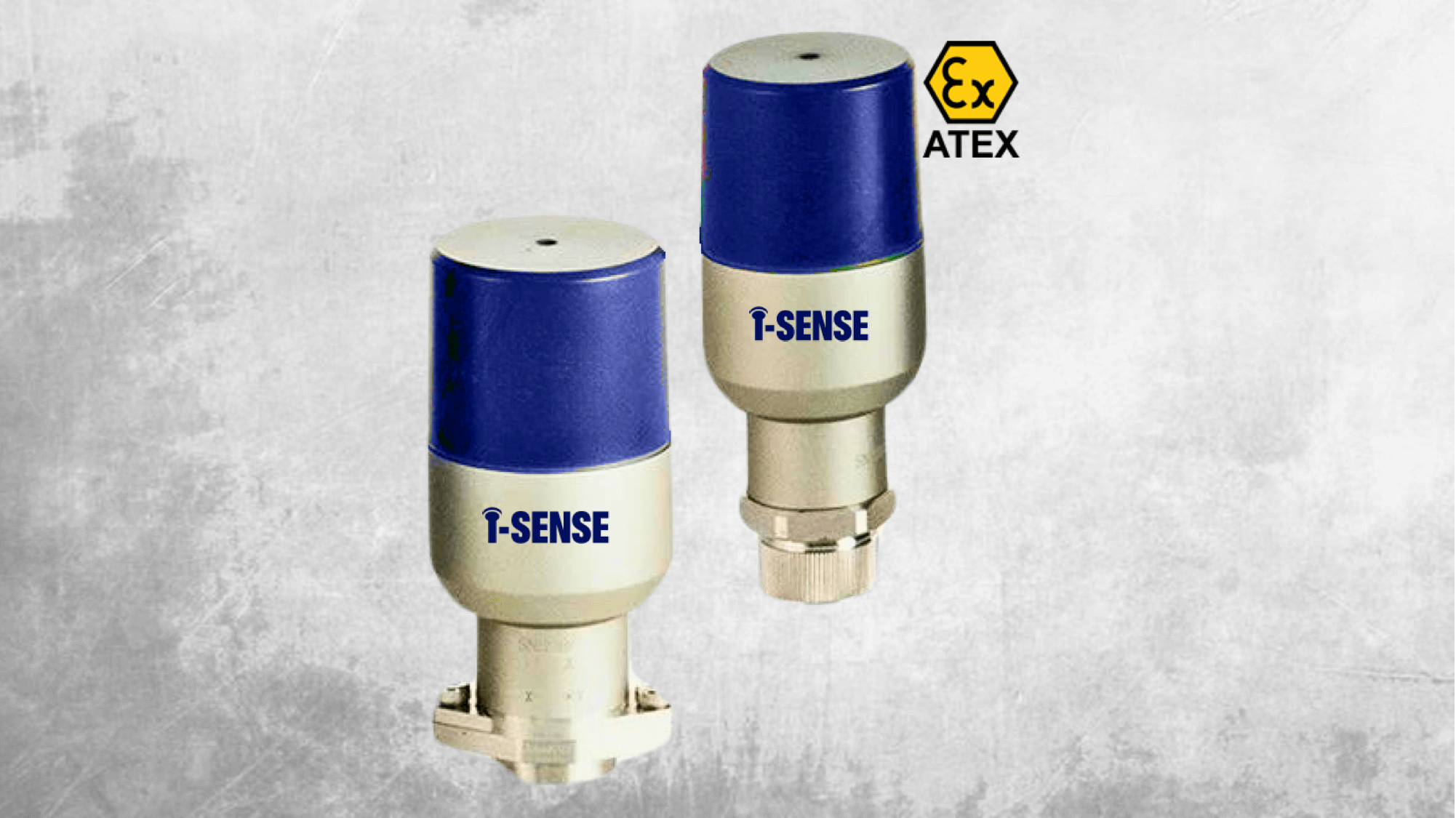
Deploy IoT-enabled sensors to collect real-time data on asset conditions, such as vibration, temperature, and pressure. Ensure that these sensors are compatible with the I-SENSE platform and can transmit data securely. Establish data collection protocols to maintain data integrity and consistency. I-Sense
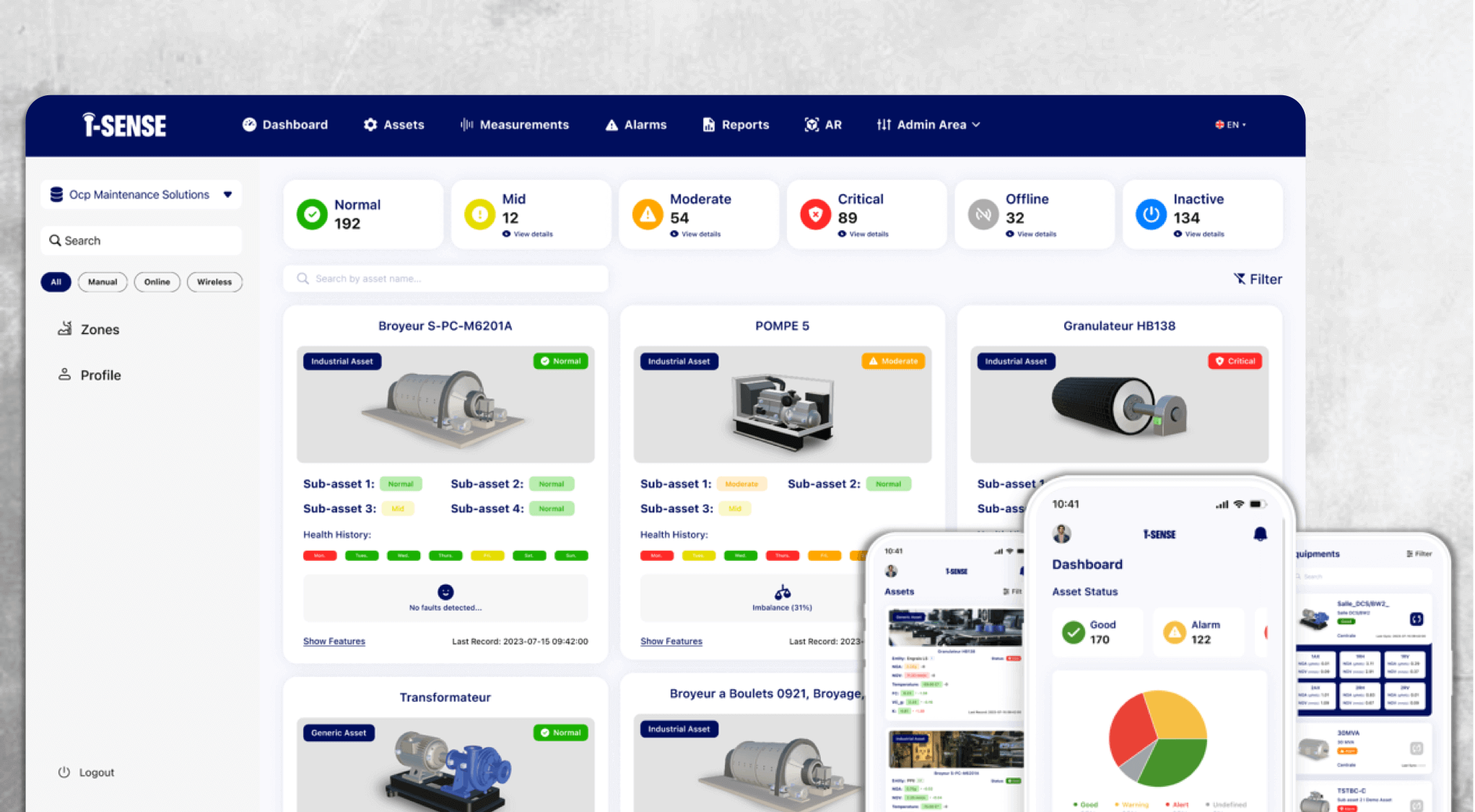
Set up the I-SENSE platform to receive and process data from the deployed sensors. Customize the platform's dashboards to display relevant metrics and alerts. Define thresholds for anomaly detection and configure automated notifications for maintenance teams. OCP Maintenance Solutions
Provide comprehensive training for maintenance staff on how to interpret data from the I-SENSE platform, respond to alerts, and perform condition-based maintenance tasks. Training should also cover troubleshooting procedures and the use of mobile applications for on-the-go access to system information. Manuals+
Utilize the insights gained from the I-SENSE platform to develop predictive maintenance schedules. Analyze historical and real-time data to forecast potential failures and plan maintenance activities accordingly. This proactive approach helps in minimizing unplanned downtime and optimizing resource allocation. Sensemore
Regularly review the performance of the maintenance program by analyzing KPIs and system-generated reports. Identify areas for improvement and adjust maintenance strategies as needed. Continuous monitoring ensures that the maintenance practices evolve in line with operational changes and technological advancements. WorkTrek
Encourage feedback from maintenance personnel and other stakeholders to identify challenges and opportunities for enhancement. Implement a system for documenting lessons learned and best practices. Promote a culture that values continuous improvement to sustain the benefits of the I-SENSE platform over time. Sensemore
By following these steps, organizations can effectively implement the I-SENSE platform to transform their maintenance practices, leading to improved asset reliability, reduced downtime, and optimized operational efficiency.
For a visual overview of implementing an effective preventive maintenance program, you may find the following video helpful:

Head of E-Measures at OCP Maintenance Solutions, I lead our team’s efforts to deliver cutting-edge measurement, monitoring, and data-driven reliability solutions that power the global transformation of industrial maintenance.


%20(1).jpg)