Predictive Maintenance
Unlocking Predictive Maintenance with I-SENSE
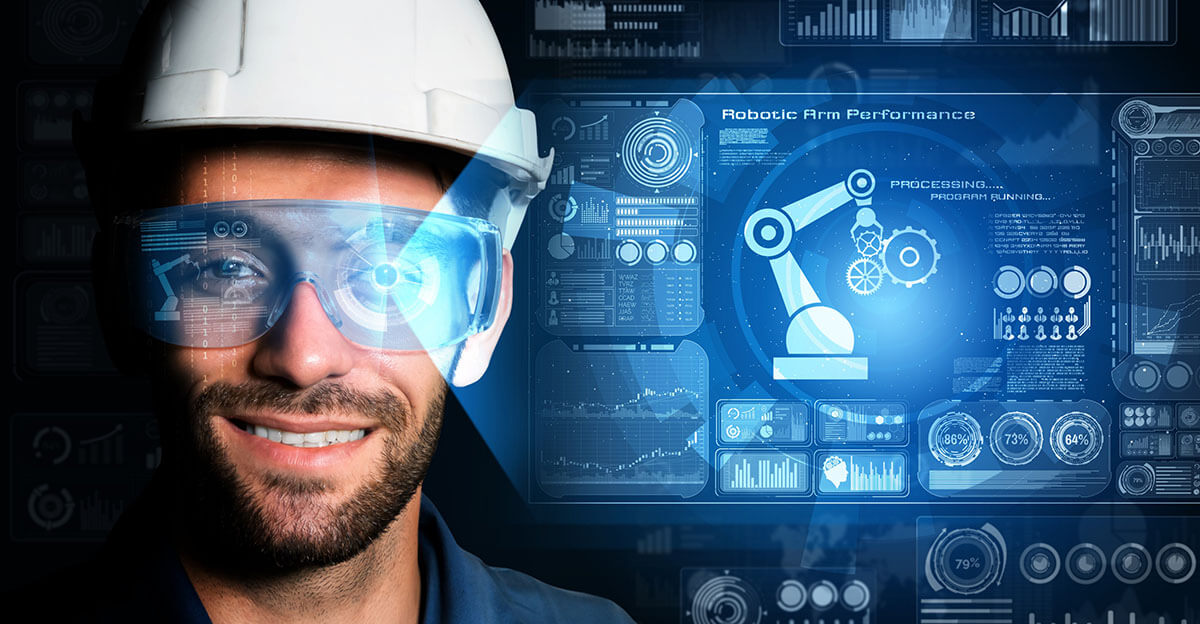
In today's fast-paced industrial landscape, unplanned equipment failures can lead to significant downtime, increased maintenance costs, and reduced operational efficiency. Traditional maintenance strategies often rely on scheduled inspections or reactive repairs, which may not adequately address the root causes of equipment failures. iSense, a leading innovator in predictive maintenance solutions, is transforming maintenance strategies by harnessing the power of Artificial Intelligence (AI) and Machine Learning (ML) to predict equipment failures before they occur.
Historically, maintenance strategies have evolved from reactive approaches—where repairs are made after equipment fails—to preventive strategies that involve scheduled maintenance based on time intervals or usage metrics. While these methods have improved reliability to some extent, they still fall short in addressing unforeseen failures and optimizing maintenance schedules.
Predictive maintenance represents the next step in this evolution, utilizing real-time data and advanced analytics to anticipate equipment failures before they happen. By integrating AI and ML, predictive maintenance enables organizations to move from a reactive or scheduled approach to a proactive, data-driven strategy.
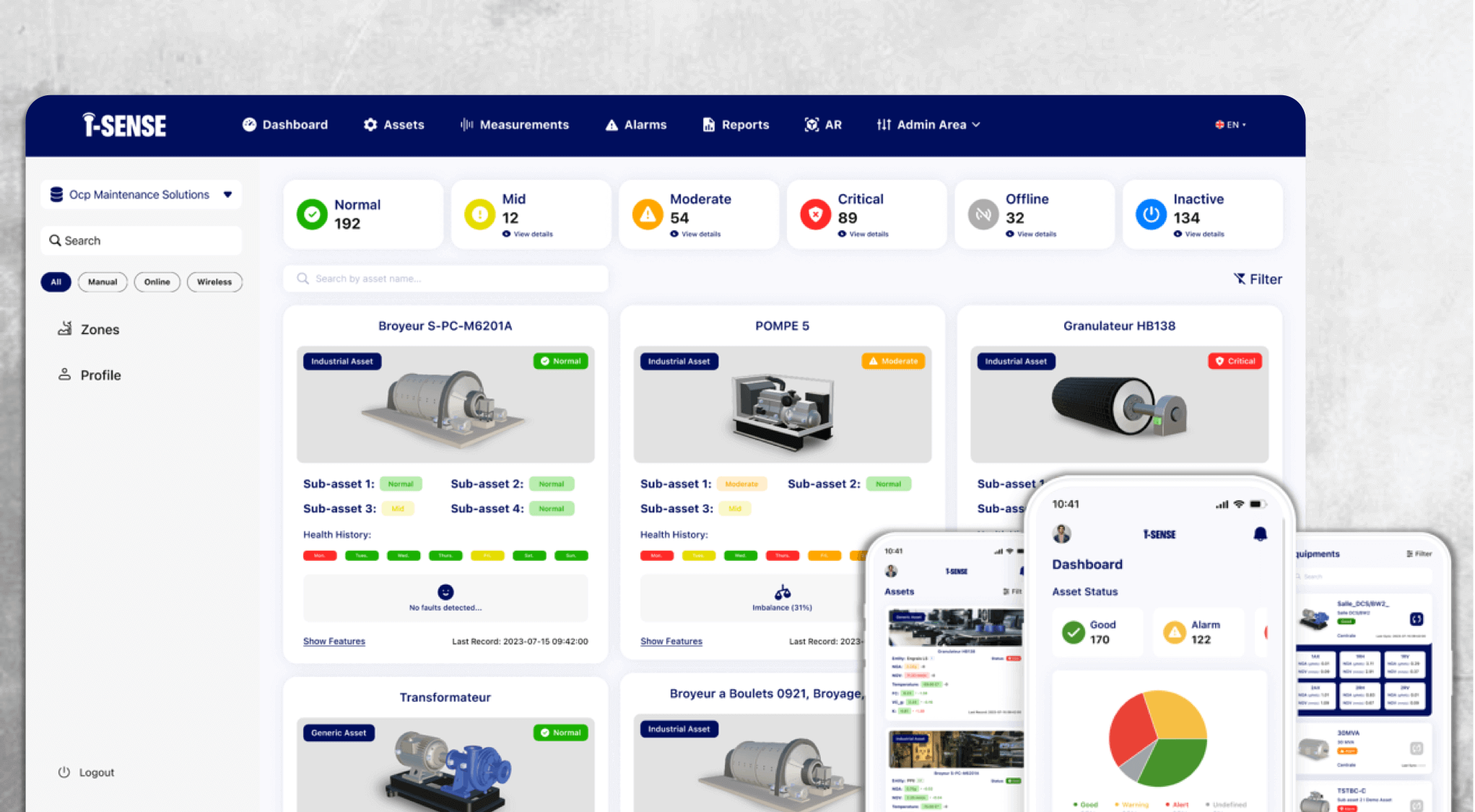
Predictive maintenance involves monitoring equipment in real-time using sensors that collect data on various parameters such as temperature, vibration, pressure, and acoustic emissions. This data is then analyzed using AI and ML algorithms to identify patterns and anomalies that may indicate potential failures.
iSense employs advanced machine learning models to process this vast amount of data, enabling the system to learn from historical performance and predict future failures with high accuracy. This approach allows maintenance teams to intervene before a failure occurs, minimizing downtime and extending the lifespan of equipment.
AI and ML play a crucial role in predictive maintenance by:
Implementing predictive maintenance with iSense offers several advantages:
Industries such as manufacturing, energy, transportation, and utilities have successfully implemented iSense's predictive maintenance solutions. For example, a leading automotive manufacturer utilized iSense to monitor robotic arms on the production line. By predicting component failures, the company reduced maintenance costs by 25% and improved production uptime by 15%.
In the energy sector, a utility company adopted iSense to monitor turbine performance. The system predicted potential failures, allowing for preemptive maintenance that decreased unplanned outages by 30% and extended the lifespan of critical assets.
Implementing iSense's predictive maintenance solution involves several key steps:
iSense is at the forefront of revolutionizing maintenance strategies by leveraging AI and machine learning to predict equipment failures before they occur. By adopting predictive maintenance, organizations can achieve significant improvements in operational efficiency, cost savings, and equipment reliability. As industries continue to embrace digital transformation, predictive maintenance will play a pivotal role in shaping the future of maintenance practices.

Head of Growth & Products at OCP Maintenance Solutions (OCP-MS). He leads product strategy, market expansion, and customer engagement for the suite of digital maintenance solutions including I-SENSE. With a background in IoT, SaaS product management, and industrial digitalization, Karim bridges the technical and commercial sides of the business.


.jpg)